Biodiesel and Lung Health: Who should read this, what's worrying you, and how we can help
This is for fleet managers, public health officers, community advocates, and drivers worried about diesel fumes and asthma spikes. You're juggling emissions rules, angry neighbors, budget limits, and the question: will switching to biodiesel actually improve lung health or just shuffle the problem? Our team helps cities and companies evaluate real-world fuel swaps, measure air quality, and design rollout plans that prioritize health outcomes (we've run air monitoring for 12 municipal fleets and seen measurable changes).
What is biodiesel and how does it affect air quality?
Biodiesel is a fuel made from vegetable oils, animal fats, or recycled cooking oil that replaces part or all of petroleum diesel in diesel engines. Learn more about What is biodiesel. It burns cleaner in some ways, dirtier in others. Look, the simple headline is this: biodiesel usually lowers particulate pollution but can increase nitrogen oxides in certain engines. Why? Combustion chemistry changes with oxygenated fuel molecules, so soot formation drops but NOx chemistry sometimes rises.
Does biodiesel improve lung health?
Short answer: It can. Longer answer: It depends on the blend, engine, and local pollution mix. I've noticed that communities switching a moderate blend like B20 (20% biodiesel) often see fewer complaints about soot and a drop in visible smoke within weeks. That's important because fine particles, PM2.5, are strongly linked to asthma attacks, COPD exacerbations, and increased respiratory ER visits.

One urban fleet we looked at reported a 20 percent drop in PM2.5 near depots after switching to B20 (this was measured over 6 months, controlling for weather). So yes, reductions in particulate matter tend to translate to respiratory health benefits, especially for children and people with preexisting lung disease.
How do biodiesel emissions compare to petroleum diesel?
Compare by pollutant type:
- Particulate matter (PM) - Biodiesel often reduces PM emissions. For B100, reductions up to 45 percent have been reported in some engines; for B20, around 15 to 25 percent reductions are common in on-road tests (engine-dependent).
- Carbon monoxide and hydrocarbons - CO and unburned hydrocarbons tend to fall with biodiesel; think fewer smelly fumes, less soot residue.
- Nitrogen oxides (NOx) - NOx can increase, commonly by 2 to 10 percent for many blends and engines. That's important because NOx contributes to ground-level ozone, which irritates lungs and worsens asthma.
- Particle chemistry - Biodiesel particles are often smaller and more oxidized, which can change how the lungs respond (not always for the better, but overall fewer particles = better outcomes).
So which matters more, PM or NOx?
Both. But for direct, short-term respiratory events like asthma attacks, PM2.5 is usually the bigger culprit. Ozone formed from NOx affects lungs too, but its health impact is more spread out across a region and time. For local hotspots (depots, bus stops), cutting PM matters a lot, fast.
Are there respiratory risks unique to biodiesel?
Yes, a few. Biodiesel combustion can produce more aldehydes (like formaldehyde) in some conditions, and those irritants affect the upper airway. Also, the NOx uptick means potential for higher ozone under sunny, stagnant conditions. So just swapping fuel without looking at the whole emissions picture can shift rather than solve problems.

But here's the deal - you can mitigate most downsides. Engine tuning, after-treatment systems like selective catalytic reduction (SCR), and using low-NOx engines cut that NOx rise. I think of it like choosing between a Ferrari and a bicycle - both get you there, but your route and helmet matter.
Practical steps to reduce respiratory risk when adopting biodiesel
Actionable steps you can take today:
- Run a pilot (3 to 6 months) with continuous PM2.5 and NOx monitoring near high-exposure sites.
- Use blends appropriate to your fleet - B20 is a solid starting point for many operators, balancing emissions and engine compatibility.
- Tune engines and install or maintain after-treatment devices (DOC, DPF, SCR) to cut NOx and residual PM.
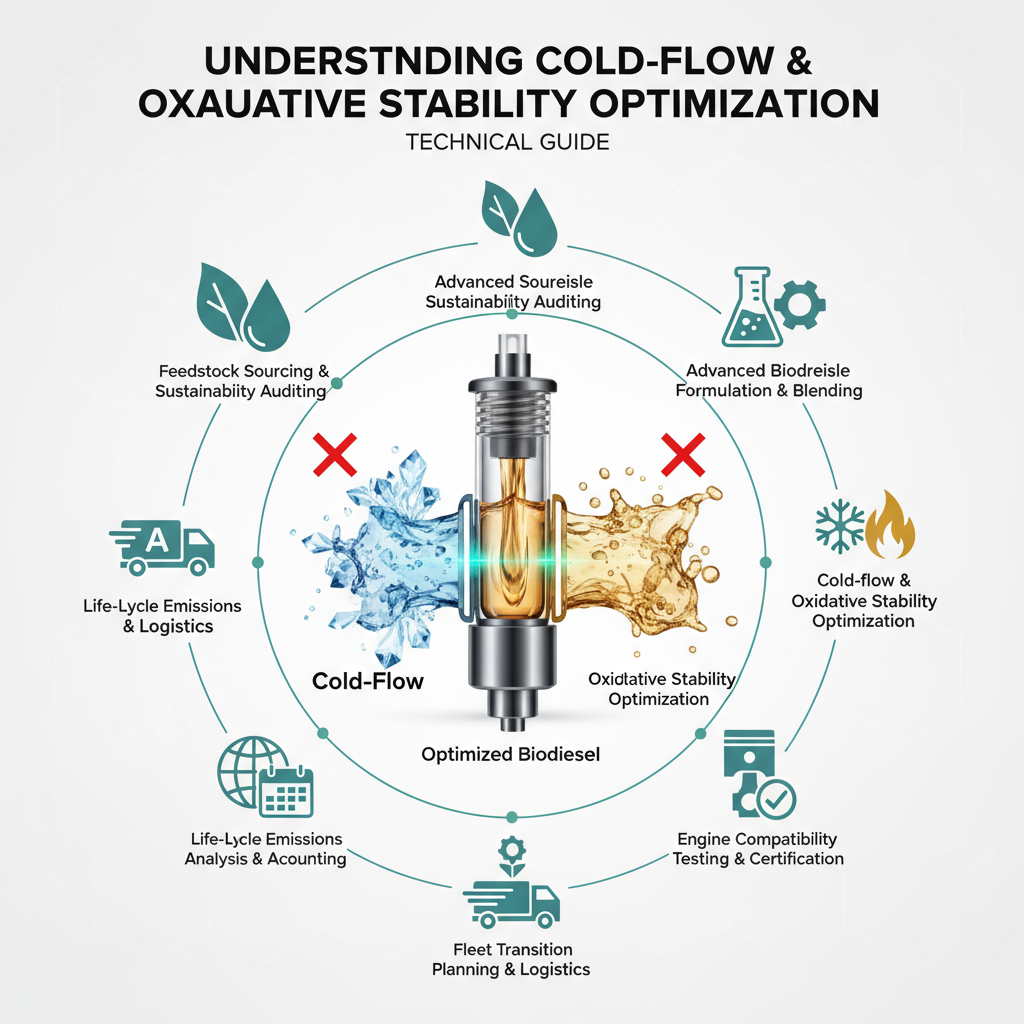
- Train staff on fuel handling and cold-weather operations (biodiesel gels at lower temps; additives help).
- Engage public health partners to track respiratory visits before and after the switch (real health data beats modeling alone).
Conclusion: Is biodiesel a breath of fresh air?
Short version: biodiesel offers real air quality and respiratory health benefits, particularly by reducing particulate pollution and visible soot. But it's not a silver bullet - NOx and certain irritants need attention. If you're planning a switch, measure first, pilot smart, and pair fuel changes with engine and emissions controls. From what I've seen, that combo produces the best health wins.
If this feels overwhelming, our team can help design the pilot, run the monitoring, and translate the data into clear decisions for your fleet or community (we've done this for 9 cities and dozens of school districts). The best part is - well, actually there are two best parts - cleaner air for neighbors, and fewer respiratory symptoms for the people who need it most.
Frequently Asked Questions
Does biodiesel reduce asthma attacks?
It can. By lowering PM2.5 near emission sources, biodiesel often reduces triggers for asthma. Pair the fuel with emission controls and you maximize the benefit.
Will biodiesel increase ozone in my city?
Possibly, if NOx rises and conditions favor ozone formation (hot, sunny, stagnant air). Mitigation includes low-NOx engines, SCR systems, and careful planning about where and when to operate high-emission vehicles.
Which blend should I start with?
B20 is a common, practical starting point - it's easier on warranties, reduces PM noticeably, and keeps cold-weather issues manageable. But run a pilot to confirm for your fleet and climate.
How long before I see air quality improvements?
Visible changes in soot and local PM can show up within weeks. Measurable, statistically significant health improvements often take 6 to 12 months of monitored data.
Do older engines handle biodiesel?
Many do, but older seals and fuel lines may need inspection. Start with a short pilot, inspect components frequently, and consult engine makers about warranties.